
TREATMENTS
Care That Supports Recovery, Movement, and Long-Term Progress
At Oak City Physical Therapy, treatment is built around your goals, examination findings, and response to care. We use active rehabilitation as the foundation of recovery, with hands-on treatment and supportive techniques added when they help improve tolerance, movement, or progress.
ACTIVE REHABILITATION
The Foundation of Long-Term Progress
Active treatment is often the most important part of rehabilitation. These services are designed to restore strength, movement, endurance, confidence, and tolerance for the activities that matter to you.
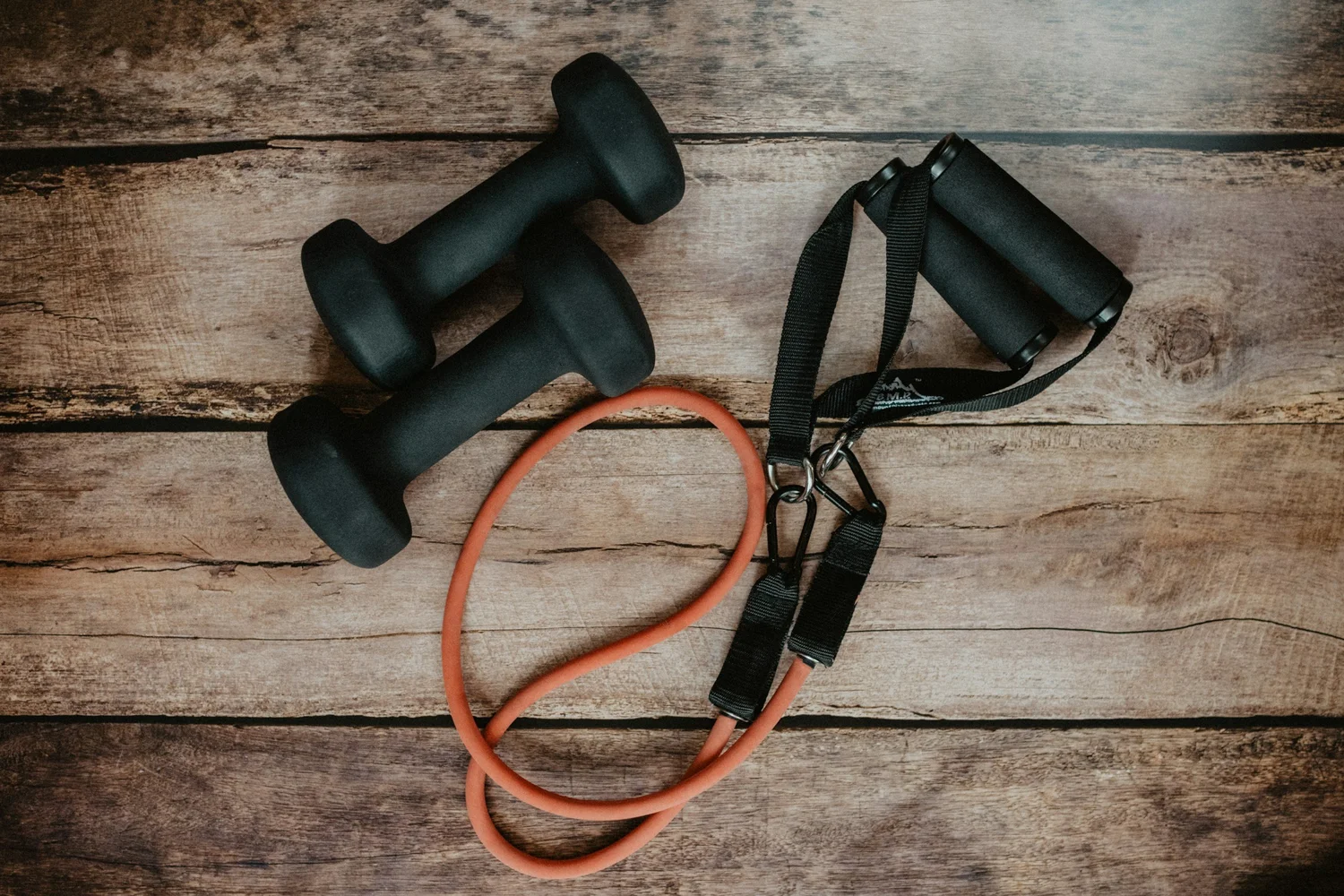
Therapeutic Exercise
Progressive exercise designed to improve strength, mobility, endurance, and confidence for the daily activities and physical demands that matter to you.
Explore therapeutic exercise →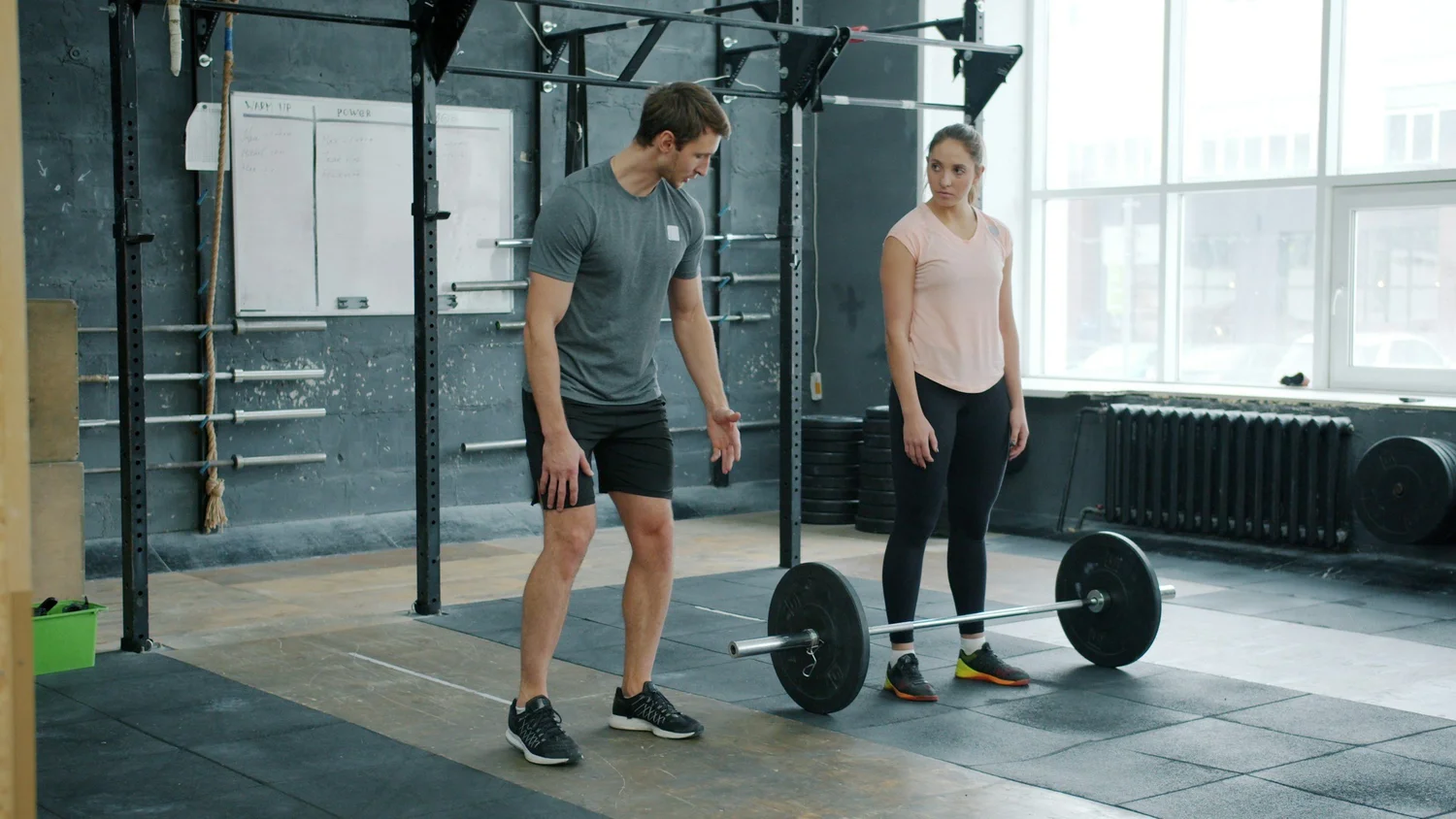
Performance Training
Higher-level rehabilitation and training focused on physical capacity, return to sport or exercise, and long-term performance. Personal training services may also be offered.
Explore performance training →
Stretching & Mobility
Targeted mobility work used to improve movement options, reduce stiffness, and prepare the body for more effective strengthening and functional progress.
Explore stretching and mobility →
Blood Flow Restriction
A specialized training method used to improve strength and muscle adaptation with lighter loads when heavier loading is not yet appropriate or well tolerated.
Explore blood flow restriction →HANDS-ON & SUPPORTIVE TREATMENTS
Used to Improve Tolerance, Movement, and Progress
These treatments can help reduce symptoms, improve short-term movement tolerance, or support participation in rehabilitation. They work best when paired with the right exercise and progression plan.
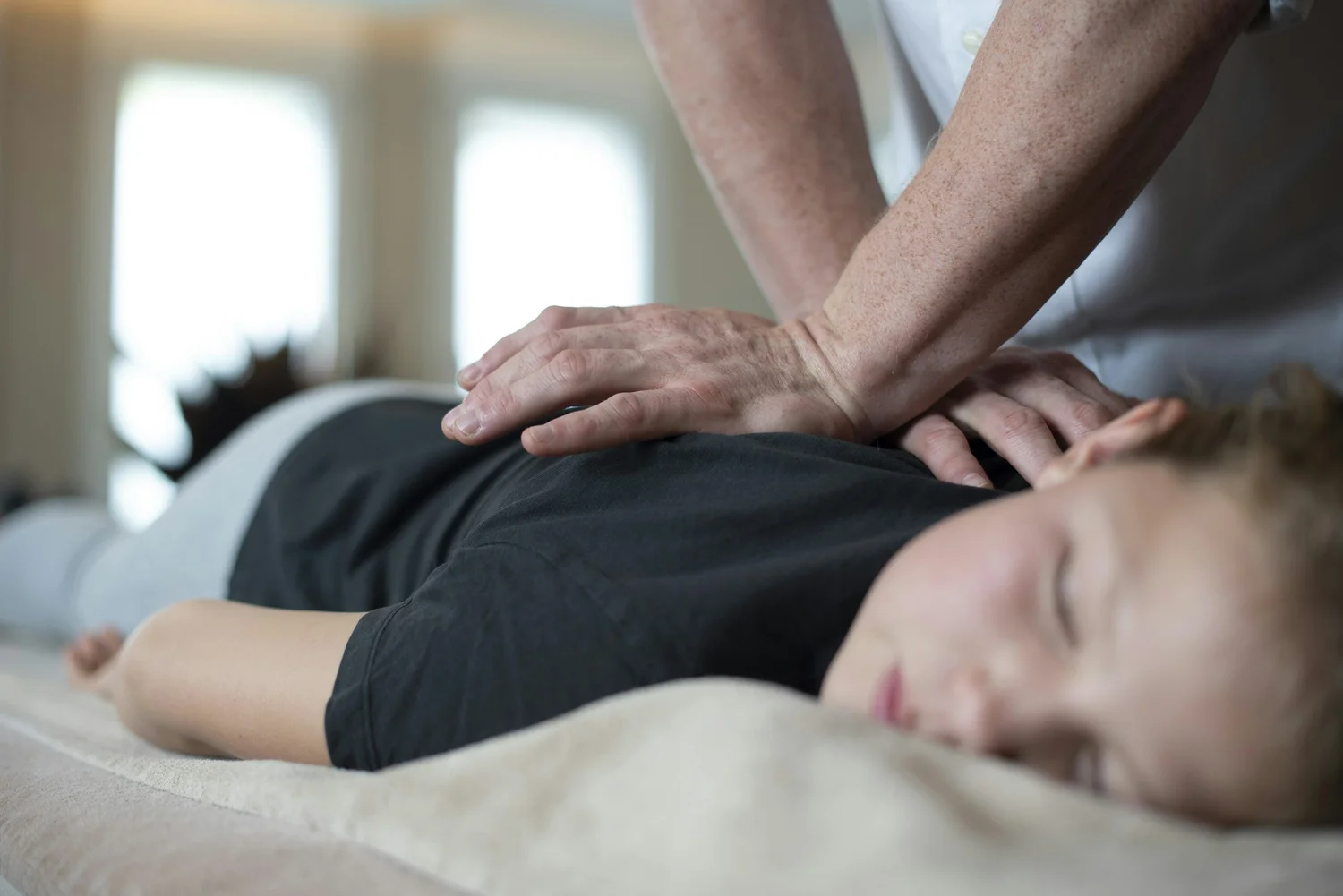
Manual Therapy
Hands-on treatment that may be used to improve motion, reduce stiffness, or help you move more comfortably so rehabilitation can progress more effectively.
Explore manual therapy →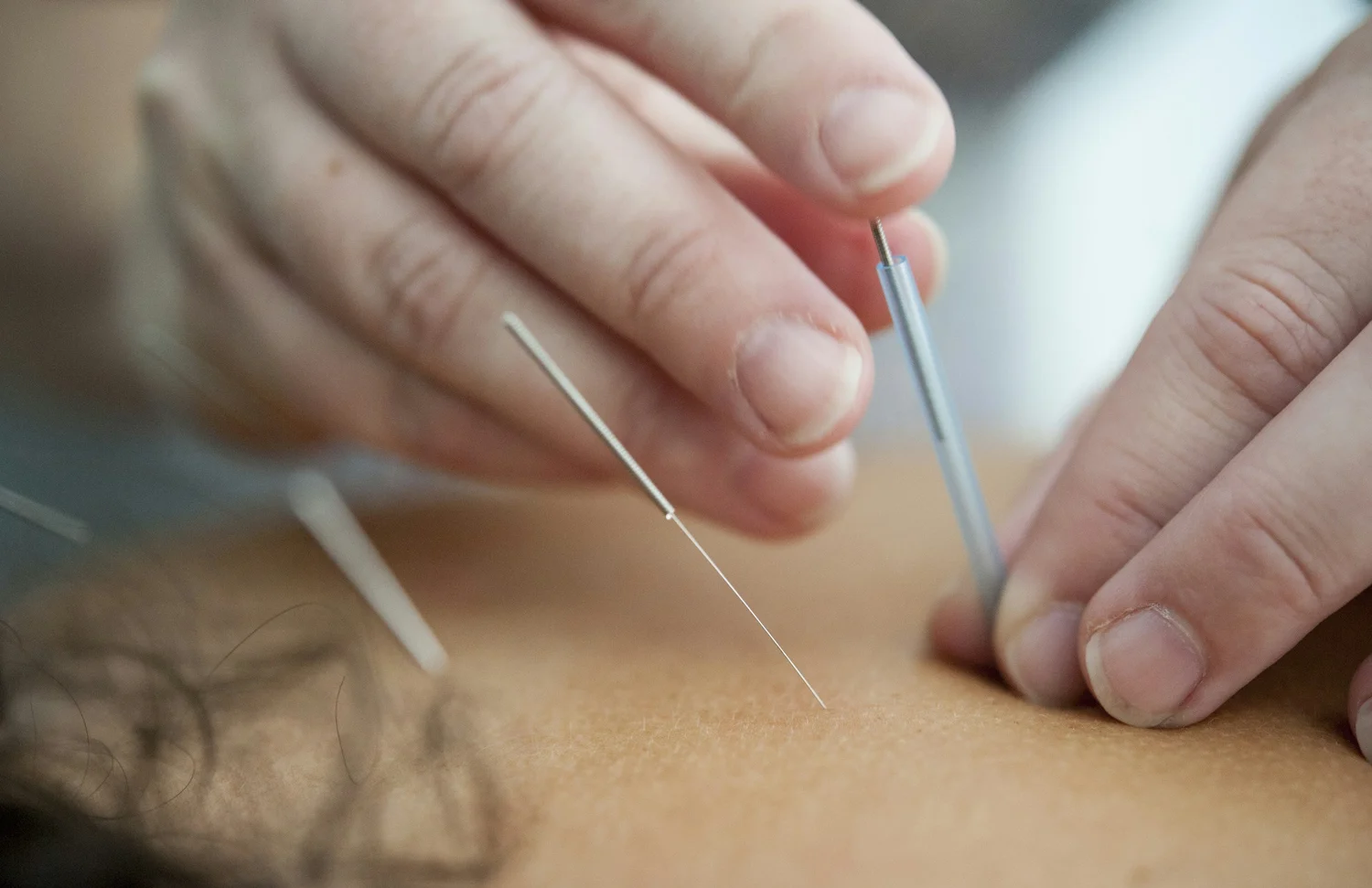
Dry Needling
A targeted treatment that may reduce muscular pain or guarding and improve short-term movement tolerance when combined with active rehabilitation.
Explore dry needling →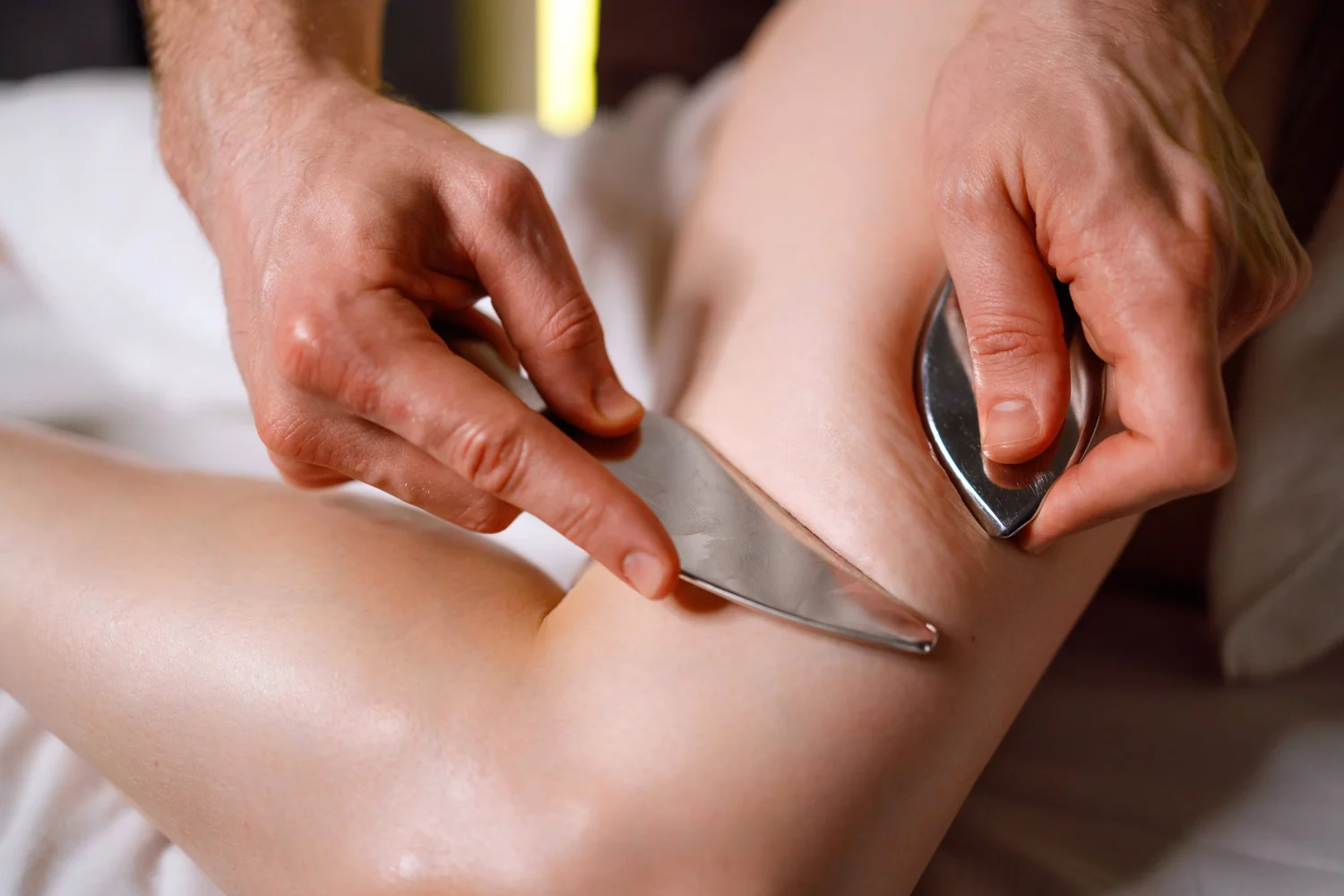
IASTM & Cupping
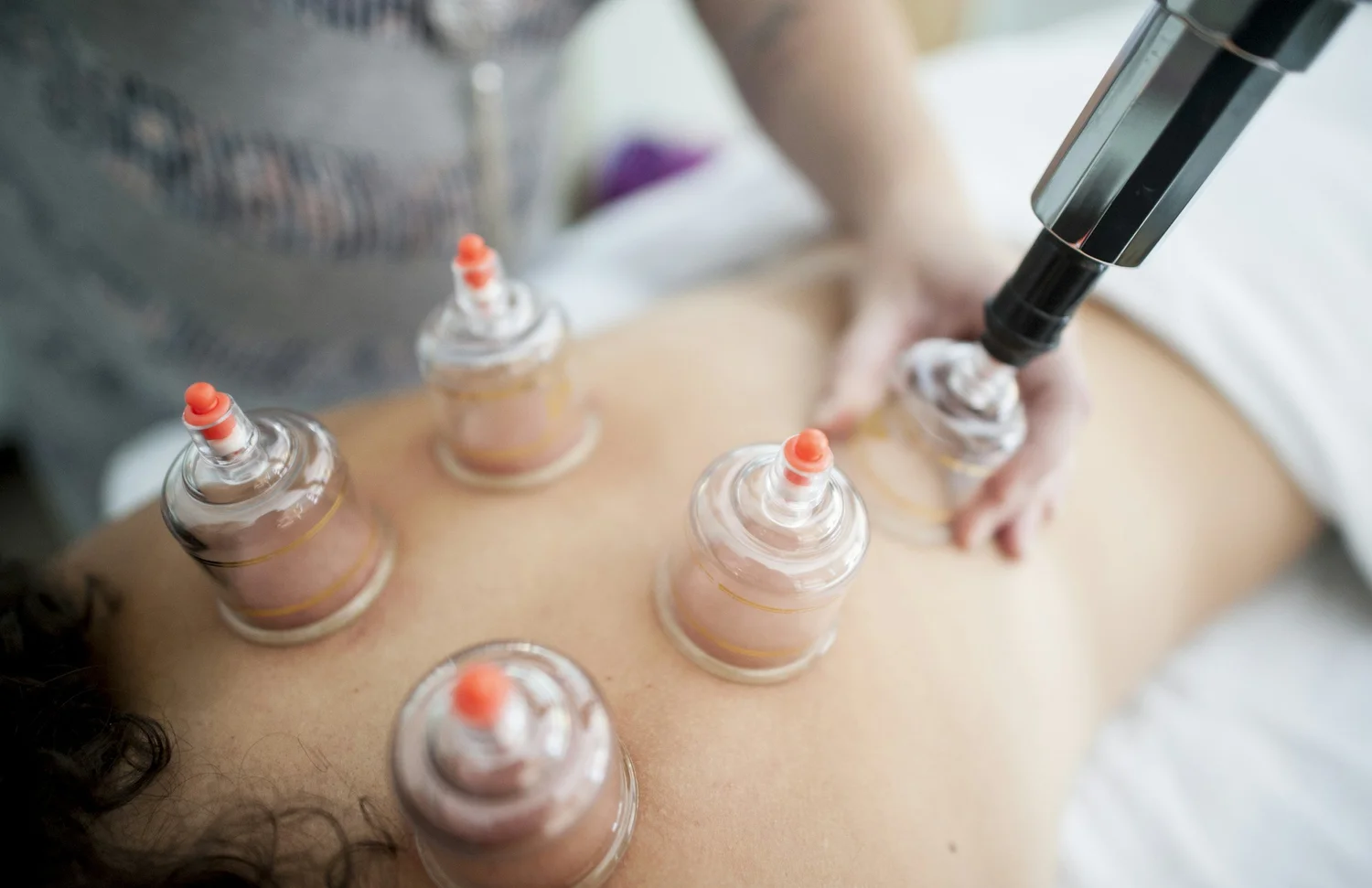
Supportive soft-tissue treatments that may help with local pain, mobility limitations, or sensitivity when used as part of a broader rehabilitation plan.
Explore IASTM and cupping →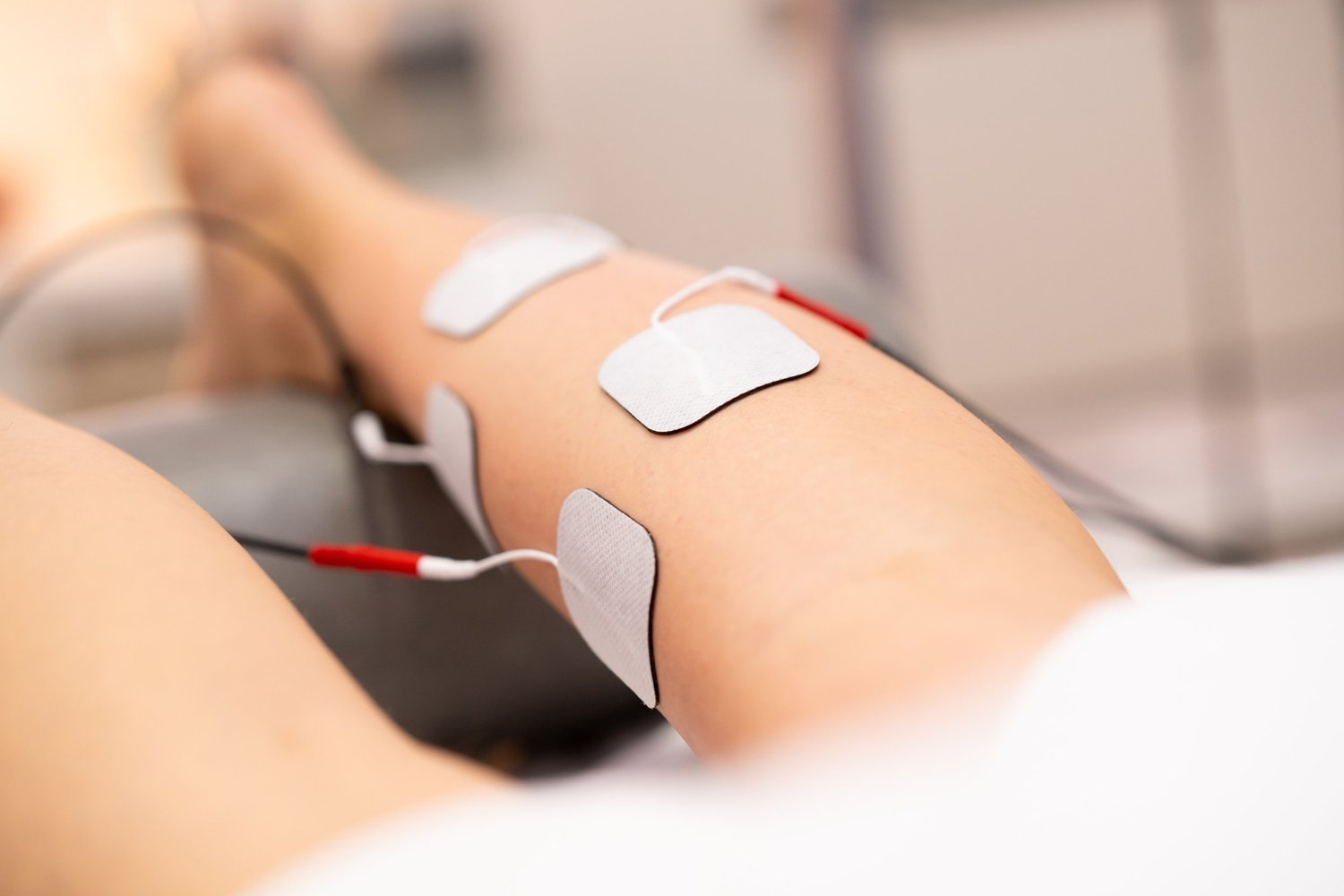
Electrical Stimulation
Electrical stimulation may be used to support pain modulation, muscle activation, or symptom relief in selected cases, including use alongside dry needling when appropriate.
Explore electrical stimulation →TREATMENT PHILOSOPHY
Why We Use the Treatments We Use
Treatment should be intentional. Some services help reduce irritation or improve tolerance, while others build the long-term strength and capacity needed for lasting improvement.
Active Care Comes First
Exercise, loading, and movement progression are usually the most important parts of recovery.
Supportive Treatments Have a Role
Hands-on or symptom-modifying treatments can help you tolerate the work that matters most.
Not Every Technique Fits Every Person
Treatment is selected based on your symptoms, goals, examination findings, and response.
Progress Should Transfer to Real Life
The goal is improved function, not just temporary relief during an appointment.
FREQUENTLY ASKED QUESTIONS
Choosing the Right Treatment Approach
Will I receive the same treatment every visit?
Not necessarily. Treatment should evolve based on your progress, symptoms, goals, and response. As you improve, the emphasis often shifts toward more active rehabilitation and higher-level function.
Do all patients need manual therapy or dry needling?
No. These treatments are optional and are used only when they appear appropriate for your presentation and goals. Other treatment options are always available.
What treatment tends to matter most long-term?
In most cases, exercise progression, loading tolerance, movement confidence, and functional capacity have the strongest role in long-term improvement.
Can treatments be combined during the same visit?
Yes. A session may include a combination of active rehabilitation, hands-on treatment, dry needling, mobility work, or other techniques when clinically appropriate.
Do I need to know which treatment I need before scheduling?
No. Your evaluation helps determine what is contributing to your symptoms and which treatment strategies may be most useful.
Are these treatments covered by insurance?
Coverage depends on your insurance plan and the service performed. Some treatments may be included under covered physical therapy care, while others may vary based on payer policy.