
MANUAL THERAPY
Manual Physical Therapy in Raleigh
Manual therapy uses skilled, hands-on techniques to help reduce pain, improve short-term mobility, and make movement easier. At Oak City Physical Therapy, it is used as one part of an active, individualized rehabilitation plan.
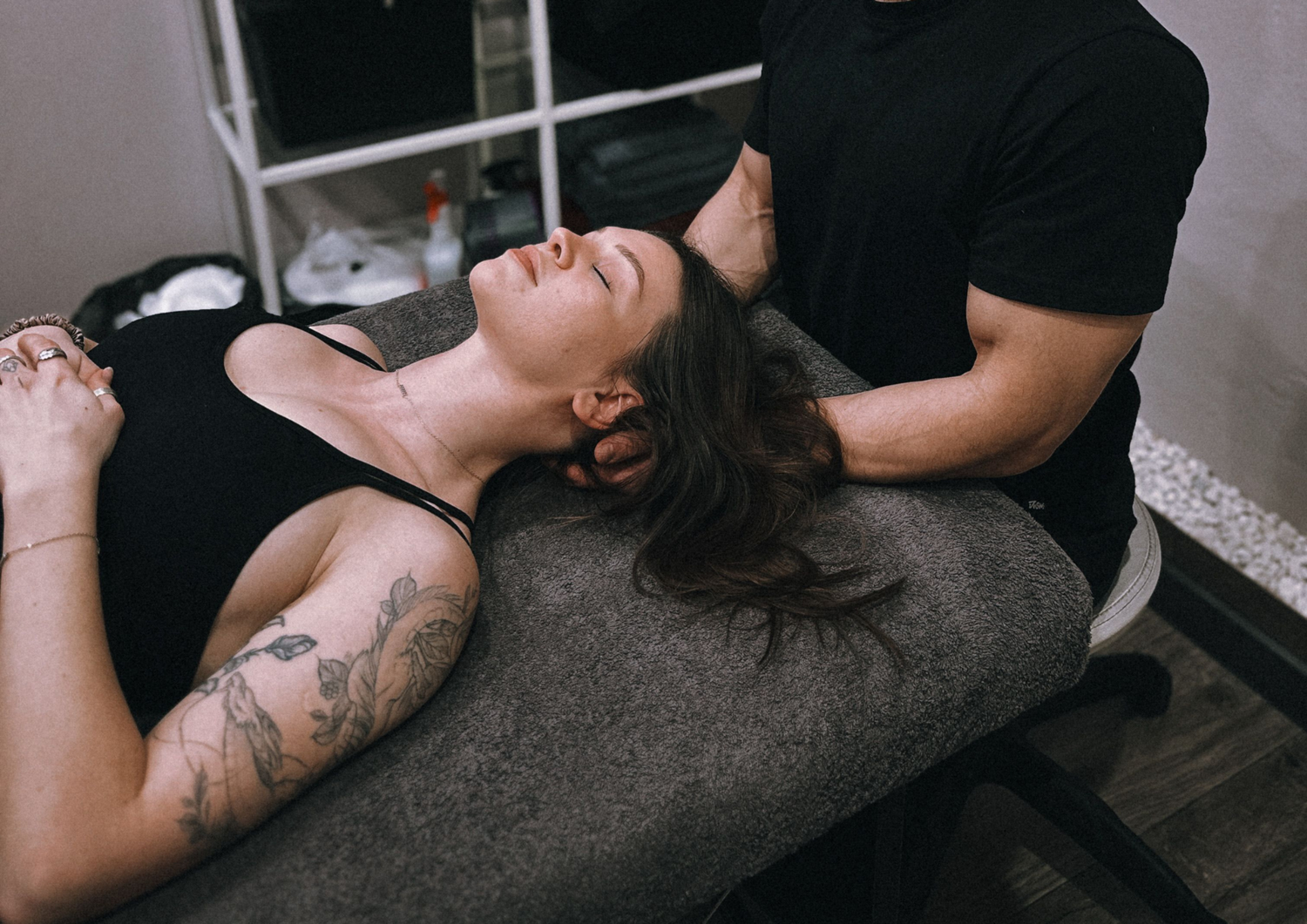
UNDERSTANDING MANUAL THERAPY
What Is Manual Therapy?
Manual therapy includes hands-on techniques performed by a physical therapist to influence pain, muscle guarding, joint mobility, and movement tolerance.
Techniques may include joint mobilization, soft tissue treatment, assisted movement, stretching, or other forms of skilled hands-on care.
Manual therapy does not permanently reposition joints, break up scar tissue, or put bones “back into place.” Its effects are better understood as temporary changes in pain sensitivity, muscle tone, mobility, and confidence with movement.
We use those short-term changes to help you participate more effectively in exercise and functional rehabilitation.
POTENTIAL BENEFITS
How Manual Therapy May Help
Hands-on treatment may create short-term changes that make movement, exercise, and daily activity easier.
Reduce Pain Sensitivity
Hands-on treatment may temporarily influence how the nervous system processes discomfort.
Improve Short-Term Mobility
Joint or soft tissue techniques may make a restricted movement feel easier.
Decrease Muscle Guarding
Treatment may help reduce protective tension that is limiting comfortable movement.
Improve Exercise Tolerance
Reduced pain or stiffness may make active rehabilitation easier to perform.
Manual therapy may create an opportunity for progress, but lasting improvement requires building strength, movement tolerance, and capacity.
HANDS-ON TREATMENT OPTIONS
Manual Therapy Techniques We May Use
The technique selected depends on your symptoms, examination findings, preferences, and response to treatment.
Not every patient needs manual therapy, and not every technique is appropriate for every condition.
Joint Mobilization and Manipulation
Controlled joint techniques ranging from gentle repeated movements to carefully selected high-velocity, low-amplitude thrusts.
Soft Tissue Mobilization
Hands-on techniques applied to muscles and surrounding soft tissues to influence sensitivity, guarding, and short-term movement tolerance.
Assisted Movement
Guided movement used to improve comfort, control, or available range.
Stretching and Positioning
Clinician-assisted techniques selected to improve short-term movement tolerance.
Manual Resistance
Therapist-provided resistance used for activation, control, or strengthening.
Neural Mobility Techniques
Carefully dosed movements used when nerve sensitivity contributes to symptoms.
SPINAL MANIPULATION / HVLAT
A Closer Look at Spinal Manipulation
Spinal manipulation, sometimes called high-velocity, low-amplitude thrust treatment, is a quick and controlled joint technique performed through a small range of motion.
It may provide short-term relief from pain or stiffness for selected patients. The technique does not put vertebrae back into place or permanently realign the spine.
When manipulation creates a useful change, we follow it with movement, exercise, or strengthening to help reinforce that response.
CLINICAL APPLICATION
When Manual Therapy May Be Useful
Manual therapy is most valuable when a short-term change in pain or movement helps you participate more effectively in rehabilitation.
Pain Limits Movement
Hands-on treatment may make it easier to begin moving or exercising.
Stiffness Limits Function
Joint or soft tissue treatment may temporarily improve available movement.
Guarding Limits Progress
Reducing protective tension may improve tolerance for active work.
Confidence Is Reduced
Guided hands-on movement may help restore comfort and trust in a painful area.
We continue manual therapy only when it contributes meaningfully to your progress.
THE OAK CITY APPROACH
Hands-On Care With a Clear Purpose
Manual therapy is selected based on your examination—not used automatically at every visit.
One-on-One Treatment
All hands-on care is provided directly by your physical therapist.
Clinical Reasoning
We explain why a technique is being used and what we expect it to change.
Followed by Movement
Hands-on treatment is often followed by exercise or movement retraining.
Progress-Based Use
We reduce or stop manual treatment when it is no longer adding value.
DURING TREATMENT
What Does Manual Therapy Feel Like?
The experience depends on the technique and the area being treated. Some techniques feel gentle and repetitive, while others involve firmer pressure or movement near the edge of your available range.
Treatment should remain purposeful and tolerable. You may feel pressure, stretching, temporary tenderness, or a change in symptoms during or after treatment.
Your therapist will communicate throughout the technique and adjust the pressure, position, or movement based on your comfort and response.
YOUR APPOINTMENT
What to Expect
Before using manual therapy, your physical therapist will assess your symptoms, movement, mobility, strength, and response to different positions or activities.
We may reassess movement or symptoms immediately after the technique to determine whether it produced a useful change.
Evaluate
Identify the movement, symptom, or limitation we are trying to change.
Explain
Discuss the technique and why it may be appropriate.
Treat
Apply the technique while monitoring comfort and response.
Reassess
Check whether symptoms or movement changed meaningfully.
Move
Use exercise or movement to build on the temporary change.
Progress
Reduce reliance on hands-on care as active capacity improves.
ACTIVE REHABILITATION
Why Manual Therapy Is Paired With Exercise
Manual therapy may help you feel or move better temporarily, but it does not build strength, endurance, balance, or long-term load tolerance by itself.
We pair hands-on treatment with exercise so that any short-term improvement can be reinforced through active movement and progressive loading.
FREQUENTLY ASKED QUESTIONS
Manual Therapy FAQs
Does manual therapy put joints back into place?
No. Manual therapy does not permanently reposition joints or bones. Its effects are more likely related to temporary changes in pain, muscle tone, mobility, and nervous system response.
Is manual therapy the same as massage?
Some techniques may feel similar, but physical therapy manual care is selected as part of a clinical evaluation and rehabilitation plan.
Should manual therapy hurt?
Some techniques may create pressure, stretching, or temporary tenderness, but treatment should remain tolerable and purposeful. Communicate with your therapist throughout the technique.
How long do the effects last?
Responses vary. Some changes may be short-lived, which is why manual therapy is commonly followed by movement, exercise, and progressive loading.
Will I receive manual therapy at every visit?
Not necessarily. It is used when your therapist believes it will help you move, exercise, or progress more effectively.
Can manual therapy replace exercise?
No. Manual therapy does not create the same strength, endurance, or long-term capacity improvements produced by active rehabilitation.
Is manual therapy appropriate after surgery?
It may be, depending on the procedure, healing stage, precautions, and treatment goals. Your therapist will follow applicable surgical guidelines.
Is manual therapy covered by insurance?
Manual therapy is commonly provided as part of a physical therapy plan of care. Coverage depends on your insurance plan and the services provided during the visit.
What causes the popping sound during manipulation?
The sound is generally caused by a rapid pressure change inside the joint. It is not bones moving back into place or scar tissue breaking.
What if I do not want spinal manipulation?
That is completely acceptable. Manipulation is optional, and your physical therapist can use other hands-on techniques, exercise, or movement-based treatment instead.