
VESTIBULAR REHABILITATION & CONCUSSION MANAGEMENT
Vestibular and Concussion Physical Therapy in Raleigh
Dizziness, imbalance, motion sensitivity, and concussion symptoms can make everyday movement feel unpredictable. Oak City Physical Therapy provides one-on-one evaluation and rehabilitation designed to identify the systems contributing to your symptoms and progressively restore balance, visual stability, movement tolerance, and confidence.
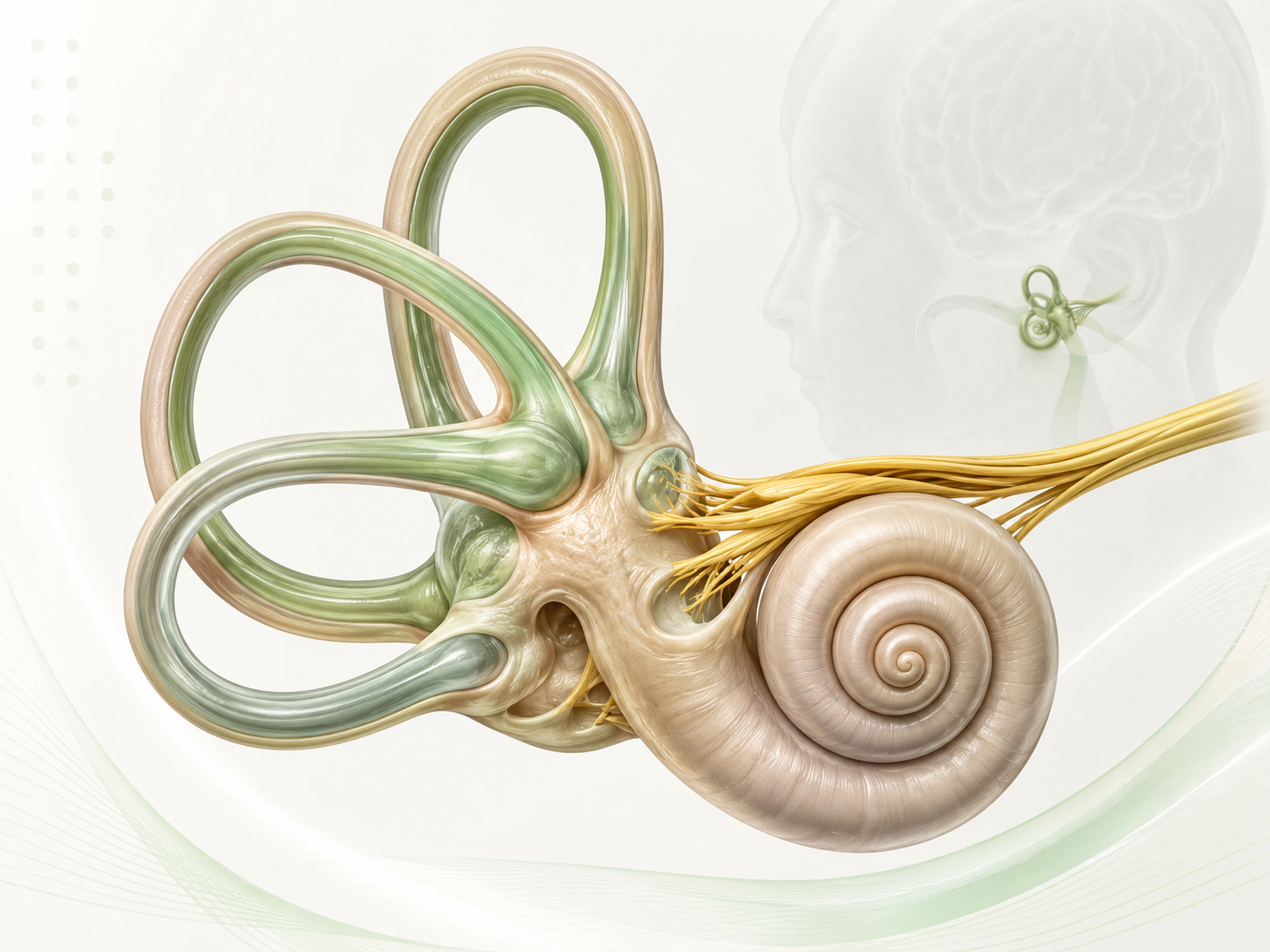
UNDERSTANDING DIZZINESS
Dizziness Is a Symptom—not a Single Diagnosis
People use the word dizziness to describe many different experiences: spinning, rocking, lightheadedness, imbalance, visual disorientation, motion sensitivity, or a feeling of being disconnected from the environment.
These symptoms may arise from the inner ear, visual system, balance system, neck, nervous system, cardiovascular system, medication effects, migraine, concussion, or a combination of factors.
Because dizziness has many possible causes, effective treatment begins with identifying the pattern rather than assuming every patient needs the same exercises.
Our role is to determine whether physical therapy is appropriate, identify the systems contributing to your limitations, and build a targeted plan.
HOW VESTIBULAR PROBLEMS MAY PRESENT
Symptoms and Conditions We Can Help With
Vestibular symptoms may begin suddenly, gradually, after illness, after a head injury, or without one clear event.
COMMON SYMPTOMS
- Room-spinning vertigo
- Imbalance while standing or walking
- Dizziness when rolling in bed
- Dizziness when looking up or bending down
- Blurred or unstable vision with head movement
- Motion sensitivity in stores or crowds
- Difficulty walking in the dark
- Nausea associated with movement
- Head pressure or brain fog
- Difficulty returning to work, exercise, or driving
COMMON CONDITIONS
- Benign paroxysmal positional vertigo
- Peripheral vestibular hypofunction
- Vestibular neuritis recovery
- Balance dysfunction
- Motion sensitivity
- Persistent postural-perceptual dizziness
- Vestibular migraine-related limitations
- Cervicogenic dizziness
- Post-concussion dizziness
- Persistent symptoms following concussion
Certain causes of dizziness require medical management in addition to or instead of physical therapy. Your evaluation includes screening to determine whether referral is appropriate.
POSITIONAL VERTIGO
BPPV Can Cause Brief, Intense Spinning With Position Changes
Benign paroxysmal positional vertigo, or BPPV, occurs when small calcium-carbonate particles move into a portion of the inner ear where they do not belong.
Symptoms are often triggered by rolling in bed, lying down, sitting up, looking overhead, bending forward, or turning the head in a particular direction.
BPPV is evaluated using specific positional tests. When the involved canal and side are identified, a canal-repositioning maneuver may be used to move the particles back toward the appropriate area.
BPPV treatment is diagnosis-specific. Generic balance exercises do not replace appropriate positional testing and canal-repositioning treatment.
VESTIBULAR HYPOFUNCTION
The Balance System Adapts Through Controlled Practice
When one or both inner-ear balance organs are functioning below their previous level, head movement may cause blurred vision, disequilibrium, motion sensitivity, or difficulty walking in visually challenging environments.
Gaze Stabilization
Targeted head-and-eye exercises may improve the ability to keep vision clear while the head is moving.
Balance Retraining
Exercises challenge the integration of visual, vestibular, and somatosensory information.
Habituation
Repeated exposure to selected movements may reduce excessive sensitivity when appropriately prescribed.
Walking Progression
Head movement, visual challenges, uneven surfaces, speed, and dual-task demands are added gradually.
Improvement requires an exercise dose that is challenging enough to promote adaptation but controlled enough to remain safe and repeatable.
CONCUSSION REHABILITATION
Concussion Recovery Is More Than Waiting for Symptoms to Disappear
A concussion may affect several systems at the same time. Symptoms may involve headache, dizziness, vision, balance, neck pain, concentration, sleep, exercise tolerance, mood, or sensitivity to light and noise.
Prolonged complete rest is generally not the goal. After an initial period of relative rest, activity is gradually reintroduced according to symptoms, medical guidance, and the systems involved.
Rehabilitation is individualized. Someone with primarily neck-related headache may need a different plan than someone with visual-motion sensitivity, positional vertigo, balance deficits, or reduced aerobic tolerance.
Symptoms guide treatment, but symptoms are not the only measure of recovery. Exercise tolerance, balance, eye movement, neck function, and the demands of work or sport also matter.
A GRADUAL RETURN TO ACTIVITY
Concussion Rehabilitation Should Progress With You
The sequence and timing depend on your symptoms, examination findings, medical recommendations, and the activities you need to regain.
Relative Rest
Reduce activities that significantly aggravate symptoms without remaining completely inactive for an extended period.
Light Daily Activity
Reintroduce walking, basic household activity, and manageable cognitive tasks.
Targeted Rehabilitation
Address vestibular, visual, cervical, balance, or exercise-tolerance deficits identified during testing.
Aerobic Progression
Gradually increase cardiovascular exercise below or near the individual symptom threshold.
Work or Sport Demands
Add faster movement, complex environments, lifting, dual-task work, and non-contact training when appropriate.
Full Return
Resume unrestricted activity after completing the required clinical, medical, work, school, or sport progression.
OUR CLINICAL EVALUATION
A One-on-One Assessment Based on Your Symptom Pattern
Not every vestibular or concussion evaluation uses every test. The examination is selected according to your history, symptoms, safety, irritability, and goals.
Detailed History
We discuss symptom onset, duration, triggers, falls, hearing changes, headache, medication, medical history, injury details, and goals.
Eye and Head-Movement Testing
We may assess gaze stability, eye movements, visual-motion sensitivity, and symptoms during head movement.
Positional and Balance Testing
Testing may include BPPV assessment, standing balance, walking, sensory integration, and fall-risk measures.
Cervical and Exertion Screening
When relevant, we assess neck function, headache contribution, neurological findings, and tolerance for cardiovascular exercise.
The purpose is not simply to reproduce symptoms. It is to identify a pattern that can guide safe, targeted treatment.
INDIVIDUALIZED TREATMENT
How Oak City Physical Therapy Can Help
Treatment is selected according to the diagnosis, examination findings, symptom response, medical history, fall risk, and functional goals.
Gaze-Stabilization Training
Improve the ability to maintain clear vision while the head is moving.
Canal Repositioning
Treat appropriately identified BPPV using a maneuver matched to the involved side and canal.
Balance Retraining
Progress standing, walking, uneven surfaces, head movement, visual challenges, and dual-task activity.
Habituation and Motion Exposure
Use controlled exposure to reduce excessive sensitivity to selected movements or visual environments.
Cervical Rehabilitation
Address neck pain, mobility, strength, endurance, and headache contributions when clinically relevant.
Graded Exertion
Progress cardiovascular exercise and activity tolerance according to symptoms, safety, and return goals.
WHEN TO SEEK URGENT MEDICAL CARE
Some Dizziness or Head-Injury Symptoms Need Immediate Evaluation
Most vestibular symptoms are not caused by a medical emergency. However, sudden neurological symptoms or significant deterioration should not be treated as routine vertigo or concussion.
Call emergency services for possible stroke, severe neurological symptoms, significant deterioration after a head injury, or another suspected medical emergency.
YOUR FIRST APPOINTMENT
What to Expect at Your First Visit
Your first visit is a 45-minute, one-on-one evaluation with a Doctor of Physical Therapy.
We will discuss your symptom history, medical background, falls, triggers, activity limitations, previous testing, and the situations you want to tolerate more comfortably.
The examination is adapted to your symptoms and safety. Testing may include eye movements, head movements, positional testing, balance, walking, cervical assessment, or exertion tolerance.
You will leave understanding:
FREQUENTLY ASKED QUESTIONS
Vestibular and Concussion FAQs
Is all dizziness caused by the inner ear?
No. Dizziness may be related to the inner ear, migraine, neck, medication, cardiovascular system, neurological conditions, visual sensitivity, concussion, or multiple contributing factors.
What is the difference between dizziness and vertigo?
Vertigo describes a false sensation of spinning or movement. Dizziness is a broader term that may also describe imbalance, rocking, lightheadedness, fogginess, or visual disorientation.
Can BPPV be treated in one visit?
Some cases improve after one repositioning treatment, while others require additional visits because of the involved canal, recurrence, multiple affected canals, or other overlapping balance problems.
Will vestibular exercises make me dizzy?
Some exercises intentionally create a mild, temporary challenge. The dosage should be controlled and should not create severe or prolonged worsening. The response helps guide progression.
Should I rest completely after a concussion?
A brief period of relative rest may be appropriate, but prolonged complete inactivity is generally not the goal. Physical and cognitive activity are usually reintroduced gradually according to symptoms and medical guidance.
Is it safe to exercise after a concussion?
Exercise is commonly reintroduced gradually. The starting point and intensity depend on symptom behavior, medical status, examination findings, and the stage of recovery.
Can neck problems contribute to dizziness or headaches?
Yes. Cervical pain, mobility limitations, sensorimotor changes, and headache may overlap with vestibular or concussion symptoms. A careful examination helps determine whether the neck is contributing.
Do I need a referral for vestibular physical therapy?
North Carolina allows direct access to physical therapy, although certain insurance plans or medical circumstances may require a referral or additional medical evaluation.
How long does vestibular rehabilitation take?
Recovery depends on the diagnosis, symptom duration, medical history, balance ability, fall risk, neurological involvement, exercise tolerance, and consistency with the rehabilitation program.
When can I return to sport after a concussion?
Return to sport follows a gradual progression. Athletes should advance through activity stages and complete any required medical clearance before returning to unrestricted contact or competition.