
LOW BACK PAIN
Low Back Pain Physical Therapy in Raleigh
Back pain can make sitting, lifting, exercising, working, and everyday movement feel uncertain. At Oak City Physical Therapy, you receive one-on-one care designed to reduce symptoms, restore confidence, and rebuild the strength and capacity needed for lasting improvement.
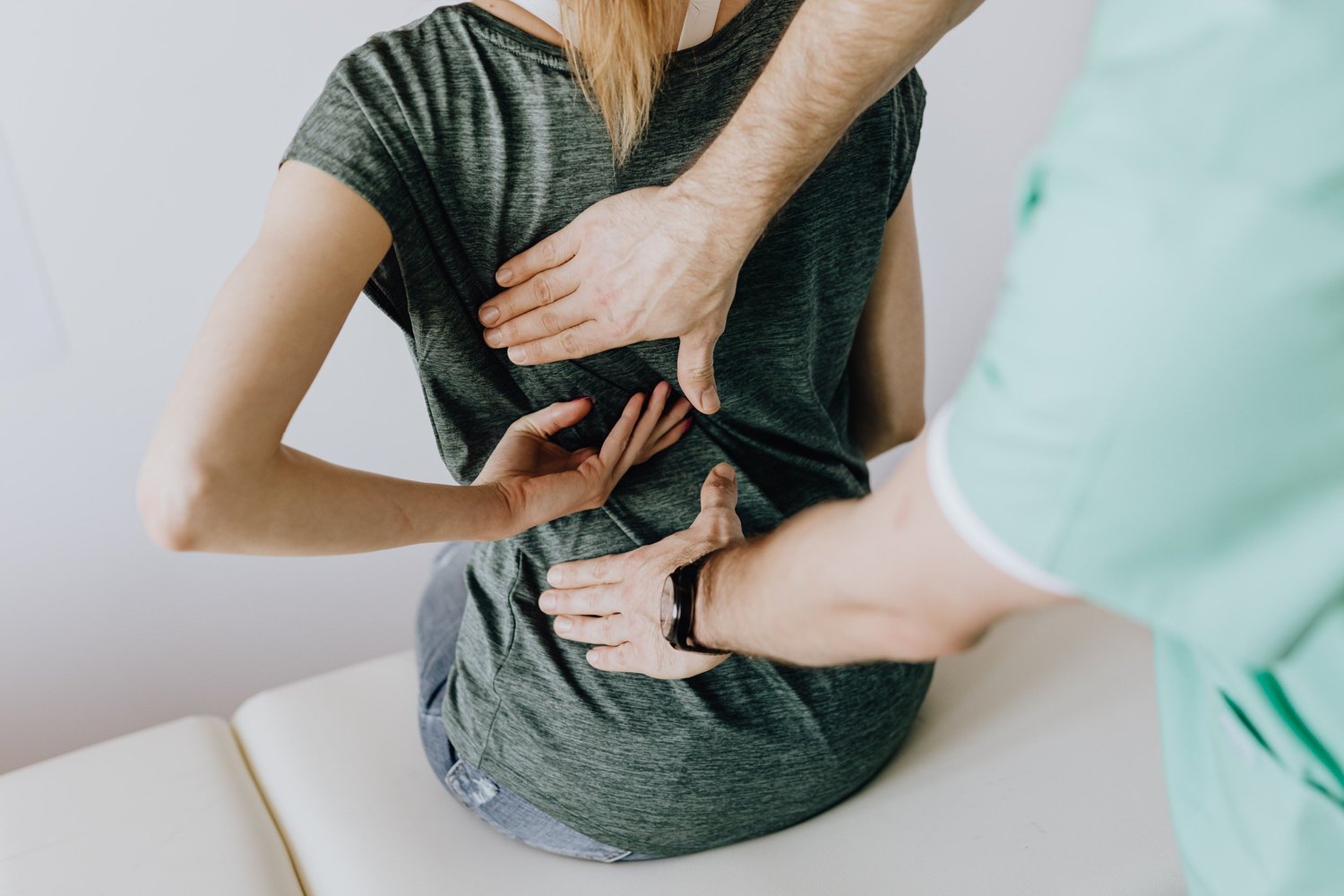
UNDERSTANDING YOUR SYMPTOMS
Low Back Pain Is Common—and Frequently Misunderstood
Pain does not always mean that something is seriously damaged, unstable, or “out of place.” Disc bulges, arthritic changes, and other age-related findings are commonly seen on imaging, including in people who do not have back pain.
Symptoms often develop when the demands placed on the back exceed what the muscles, joints, and nervous system can comfortably tolerate at that time.
This may happen after an injury, a sudden increase in activity, prolonged inactivity, repetitive loading, or gradually over time.
Our role is to identify the factors contributing to your symptoms and help you safely rebuild the movement, strength, endurance, and confidence needed to return to meaningful activity.
HOW BACK PAIN MAY PRESENT
Symptoms and Conditions We Can Help With
Low back pain can affect people differently. You do not need a perfect diagnostic label before beginning a physical therapy evaluation.
COMMON SYMPTOMS
- Pain with prolonged sitting or standing
- Pain with bending, lifting, or carrying
- Morning stiffness
- Difficulty standing upright after sitting
- Pain extending into the hip, buttock, or leg
- Recurring flare-ups
- Difficulty returning to exercise or work
- Weakness or reduced endurance
- Pain that began without a clear injury
COMMON BACK CONDITIONS
- General mechanical low back pain
- Sciatica and radiating leg pain
- Disc-related back pain
- Degenerative disc changes
- Spinal stenosis
- Arthritis-related back pain
- Sacroiliac-region pain
- Muscle strains
- Post-surgical rehabilitation
- Persistent or recurring back pain
Symptoms such as rapidly worsening weakness, loss of bowel or bladder control, saddle-region numbness, significant trauma, fever, or unexplained weight loss require prompt medical evaluation.
BUILDING LASTING CAPACITY
Why Back Pain Often Comes Back
Many people experience temporary improvement with rest, medication, injections, massage, manual therapy, or a short course of exercise—only to have symptoms return when activity increases again.
This may happen when pain improves before strength, endurance, movement tolerance, and confidence have fully recovered.
The body may feel better during normal daily activity but still be unprepared for prolonged sitting, lifting, yard work, running, strength training, or other higher-level demands.
Reducing pain matters. Building the ability to tolerate life, work, and activity is what helps improvement last.
OUR APPROACH TO BACK PAIN
A One-on-One Assessment Built Around You
Back pain does not look the same in every patient. Your evaluation is designed to understand your symptoms, your movement, and the specific activities you want to return to.
Detailed History
We discuss how the problem began, what aggravates it, what helps, previous treatment, lifestyle factors, and your personal goals.
Movement Assessment
We evaluate bending, rotation, walking, lifting, positioning, and other movements related to your symptoms.
Strength and Endurance
We assess the trunk, hips, and lower extremities to identify meaningful limitations or side-to-side differences.
Additional Screening
When appropriate, we assess sensation, reflexes, nerve-related symptoms, and tasks related to work, recreation, or exercise.
Your treatment plan is based on what we find—not on a generic protocol or a single imaging result.
INDIVIDUALIZED TREATMENT
How Oak City Physical Therapy Can Help
Treatment is selected according to your symptoms, goals, examination findings, and response to care. There is no single exercise or technique that is appropriate for every person with back pain.
Progressive Strengthening
Build trunk, hip, and lower-body capacity using appropriately dosed resistance.
Mobility and Movement
Improve comfortable range, movement options, and control during meaningful tasks.
Graded Exposure
Gradually rebuild tolerance for bending, lifting, running, or other previously painful activities.
Education and Load Management
Understand how activity, recovery, symptoms, and training load affect your progress.
Manual Therapy
Hands-on care may be used when short-term pain or stiffness is interfering with movement and exercise.
Work- and Sport-Specific Training
Prepare for the actual strength, endurance, speed, and movement demands of your goals.
YOUR FIRST APPOINTMENT
What to Expect at Your First Visit
Your first visit is a 45-minute, one-on-one evaluation with a Doctor of Physical Therapy.
We will listen to your history, examine the movements and activities related to your symptoms, explain our findings, and begin developing a clear plan forward.
When appropriate, treatment may begin during the first visit. You will also receive guidance about what to do between appointments and how to safely manage activity while beginning rehabilitation.
You will leave understanding:
FREQUENTLY ASKED QUESTIONS
Low Back Pain FAQs
Is a disc bulge causing my pain?
Not necessarily. Disc bulges and degenerative changes are common in people who have no symptoms. Imaging findings should be interpreted alongside your symptoms, examination, and functional limitations.
Should I rest until the pain goes away?
Prolonged rest often reduces strength, endurance, and confidence. Temporary activity modification may be appropriate, but recovery usually includes gradually returning to movement and loading.
Is an adjustment or spinal manipulation necessary?
No. Manipulation may provide short-term relief for selected patients, but it is optional and is not required for recovery. Long-term progress generally depends on restoring movement and physical capacity.
Can physical therapy help me avoid surgery?
Many non-emergency back conditions improve with conservative care. Whether surgery is appropriate depends on the diagnosis, symptoms, neurological findings, medical history, and response to treatment.
Can I keep exercising with back pain?
Often, yes. The type, intensity, range, or volume may need to be adjusted temporarily. Your therapist can help determine what is appropriate and how to progress safely.
How long will recovery take?
Recovery depends on the duration and severity of symptoms, baseline strength, activity demands, sleep and stress, medical factors, and consistency with treatment. Progress is monitored and the plan is adjusted over time.
Do I need imaging before starting physical therapy?
Most patients do not need imaging before beginning physical therapy. Imaging may be recommended when symptoms, examination findings, trauma, medical history, or lack of expected progress suggest that it would change management.
Do I need a referral to come to physical therapy?
North Carolina allows direct access to physical therapy, meaning many patients can begin without a physician referral. Some insurance plans may still require one for coverage, so benefits should be verified.