
HIP PAIN & REHABILITATION
Hip Pain Physical Therapy in Raleigh
Hip pain can make walking, sleeping, sitting, climbing stairs, exercising, running, and getting through the workday difficult. At Oak City Physical Therapy, you receive one-on-one care designed to reduce symptoms and rebuild the strength, movement, and load tolerance needed for lasting improvement.
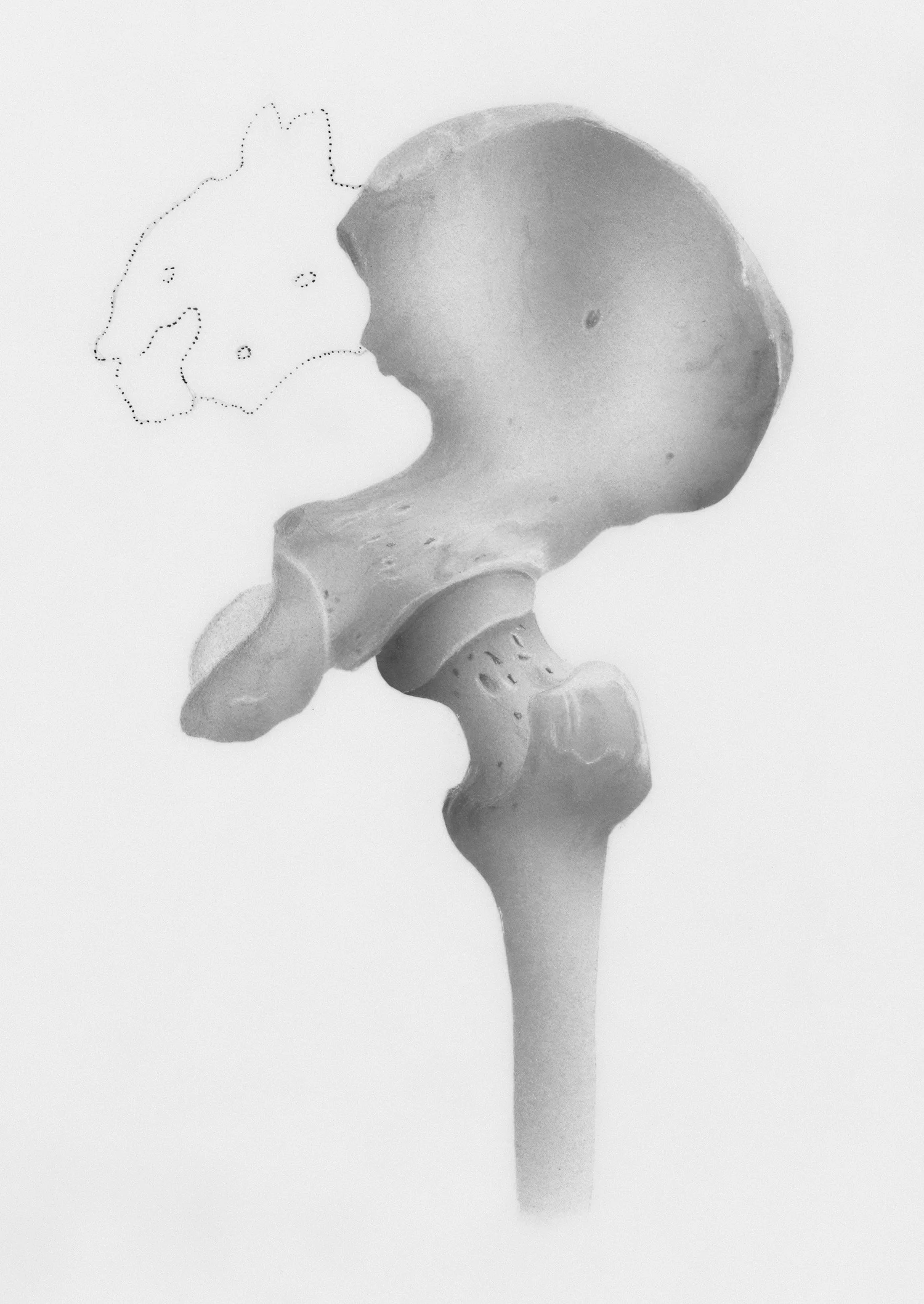
UNDERSTANDING YOUR HIP
Hip Pain Is Often a Load-Tolerance Problem
The hip must tolerate significant force during walking, stairs, squatting, running, lifting, changing direction, and getting up from a chair.
Symptoms may develop when these demands exceed what the hip muscles, tendons, joint, and surrounding tissues can currently tolerate.
Arthritis, labral changes, tendon changes, and variations in bone shape may appear on imaging, but those findings do not always explain the severity of pain or determine what you can safely regain.
Our role is to identify the factors contributing to your symptoms and progressively build the strength, mobility, endurance, and confidence needed for your goals.
HOW HIP PAIN MAY PRESENT
Symptoms and Conditions We Can Help With
Hip symptoms may develop after an injury, surgery, change in training, prolonged inactivity, repetitive activity, or gradually over time.
COMMON SYMPTOMS
- Pain along the outside of the hip
- Groin or front-of-hip pain
- Pain in the buttock or back of the hip
- Pain when lying on one side
- Pain with prolonged sitting
- Difficulty walking or climbing stairs
- Pain with squatting, lunging, or lifting
- Stiffness after sitting or in the morning
- Clicking, catching, or pinching sensations
- Difficulty returning to running, exercise, or sport
COMMON HIP CONDITIONS
- Gluteal tendinopathy
- Greater trochanteric pain syndrome
- Hip osteoarthritis
- Femoroacetabular impingement-related symptoms
- Labral injuries
- Hip flexor-related pain
- Proximal hamstring tendinopathy
- Adductor or groin strains
- Postoperative hip rehabilitation
- Persistent or recurring hip pain
Significant trauma, inability to bear weight, visible deformity, fever, rapidly increasing swelling, unexplained night pain, or rapidly worsening weakness require appropriate medical evaluation.
LATERAL HIP PAIN
Gluteal Tendinopathy Is More Than “Hip Bursitis”
Pain over the outside of the hip is often labeled bursitis. In many cases, the gluteal tendons and their ability to tolerate compression and loading are also important contributors.
Symptoms may be aggravated by sleeping on the painful side, crossing the legs, standing with weight shifted onto one hip, walking longer distances, climbing stairs, or returning to running too quickly.
Repeatedly resting the hip may temporarily reduce discomfort, but it does not restore tendon capacity. Rehabilitation typically involves education about aggravating positions and a progressive strengthening program.
The tendon needs an appropriate balance of protection and progressive loading. Complete avoidance may reduce its ability to tolerate activity.
HIP OSTEOARTHRITIS
Arthritis Does Not Eliminate the Hip’s Ability to Adapt
Hip arthritis may contribute to pain and stiffness, but the amount of change seen on an X-ray does not always match the amount of pain or disability a person experiences.
Strength Can Improve
Progressive strengthening can improve muscular support, walking tolerance, stair ability, and daily function.
Movement Can Improve
Mobility and exercise may help reduce stiffness and improve access to useful ranges of motion.
Conditioning Matters
Walking, cycling, aquatic exercise, and other aerobic activity may improve endurance and general health.
Loading Is Individualized
Exercise dosage should reflect pain, mobility, health, baseline capacity, and functional goals.
A hip can have arthritis and still become stronger, more mobile, more confident, and more functional.
ANTERIOR HIP & GROIN PAIN
Hip Impingement Is Not Simply a Bone Pinching a Joint
Femoroacetabular impingement syndrome describes a combination of symptoms, clinical findings, and certain hip-shape characteristics. The presence of a cam or pincer shape on imaging does not automatically mean it is the sole cause of pain.
Symptoms may be influenced by hip strength, trunk control, movement tolerance, training volume, mobility, sport demands, and sensitivity in positions involving deeper hip flexion.
Rehabilitation may begin by temporarily modifying provocative ranges and then progressively restoring strength and confidence through the ranges needed for daily life, lifting, running, or sport.
IDENTIFYING THE SOURCE
Not All Pain Near the Hip Comes From the Hip
Symptoms in the buttock, side of the hip, groin, or upper thigh may come from the hip itself, nearby muscles and tendons, the lower back, the sacroiliac region, or a combination of factors.
Hip-Related Pain
Symptoms may change with walking, stairs, rotation, deep flexion, resisted testing, or direct loading of the hip.
Lumbar Referral
Lower-back conditions may refer pain toward the buttock, lateral hip, groin, or thigh even when back pain is minimal.
Nerve-Related Symptoms
Burning, numbness, tingling, weakness, or symptoms extending farther down the leg may warrant neurological screening.
Multiple Contributors
Some patients have overlapping hip, lumbar, strength, and sensitivity factors that must be addressed together.
A detailed examination helps determine whether the hip, spine, surrounding tissues, or multiple regions are contributing to your symptoms.
OUR APPROACH TO HIP PAIN
A One-on-One Assessment Built Around Your Goals
Your evaluation is selected according to your symptom location, history, diagnosis, surgery or injury, and the activities you want to regain.
Detailed History
We discuss how symptoms began, aggravating activities, sleep, previous treatment, training changes, work demands, and goals.
Mobility and Movement
We assess hip motion, lower-back mobility, walking, squatting, stairs, and the positions related to your symptoms.
Strength and Load Response
We evaluate hip, trunk, knee, and lower-extremity strength and how symptoms respond during and after loading.
Functional Testing
Testing may include balance, single-leg tasks, running, jumping, lifting, or work- and sport-specific movements.
Your treatment plan is based on the combination of your history, examination, goals, and response—not on one isolated test or scan.
INDIVIDUALIZED TREATMENT
How Oak City Physical Therapy Can Help
Treatment is selected according to your diagnosis, symptoms, current capacity, healing considerations, activity demands, and response.
Progressive Strengthening
Build hip, trunk, quadriceps, hamstring, and lower-extremity strength using measurable resistance.
Mobility and Range of Motion
Restore comfortable movement using active mobility, stretching, strengthening through range, and hands-on care when appropriate.
Load Management
Temporarily adjust aggravating activity while progressively building the capacity needed to tolerate more.
Balance and Single-Leg Control
Improve control and force production during walking, stairs, running, lifting, and sport.
Manual Therapy
Hands-on techniques may be used when short-term pain or stiffness is limiting movement and active rehabilitation.
Work- and Sport-Specific Training
Prepare for the actual strength, endurance, repetition, speed, and impact demands of your goals.
A PLANNED PROGRESSION
Hip Rehabilitation Should Progress With You
Your starting point depends on your condition, but the program should advance as symptoms, strength, mobility, and tolerance improve.
Reduce Irritability
Modify aggravating loads and begin tolerable movement or muscle activation.
Restore Movement
Improve useful hip mobility, walking, transfers, and confidence with daily activity.
Build Strength
Progress the hip, trunk, and lower extremity using measurable loading.
Increase Single-Leg Capacity
Advance balance, stairs, step-ups, walking tolerance, and unilateral strength.
Add Speed and Impact
Introduce running, jumping, landing, or change of direction when relevant.
Return to Performance
Recreate the intensity and volume required for work, exercise, recreation, or sport.
YOUR FIRST APPOINTMENT
What to Expect at Your First Visit
Your first visit is a 45-minute, one-on-one evaluation with a Doctor of Physical Therapy.
We will listen to your history, examine the movements and activities related to your symptoms, explain our findings, and begin developing a clear plan forward.
When appropriate, treatment may begin during the first visit. You will also receive guidance about activity, exercise, symptom response, and what to do between appointments.
You will leave understanding:
FREQUENTLY ASKED QUESTIONS
Hip Pain FAQs
Does hip arthritis mean I need a replacement?
No. Many people with hip arthritis improve pain and function through individualized exercise, mobility work, education, and activity management. Surgery may be appropriate in some cases, but the decision is not based on imaging alone.
Is walking bad for an arthritic hip?
Walking is generally a useful form of activity, but distance, speed, terrain, and frequency may need to be adjusted temporarily. The goal is to gradually improve walking tolerance rather than avoid it indefinitely.
Is pain on the outside of my hip caused by bursitis?
The bursa may contribute, but the gluteal tendons and their response to compression and loading are frequently involved. Treatment often includes activity education and progressive strengthening.
Should I stretch a painful lateral hip?
Aggressive stretching into hip adduction may increase compression of sensitive gluteal tendons in some patients. Mobility work should be selected according to your presentation rather than used automatically.
Does hip impingement always require surgery?
No. Some people improve with activity modification, strength development, movement retraining, and graded exposure. Surgical decisions depend on symptoms, function, goals, imaging, and response to conservative care.
Can hip pain actually come from my lower back?
Yes. The lumbar spine can refer pain toward the buttock, lateral hip, groin, or thigh. A physical examination helps identify whether the hip, back, nearby tissues, or multiple areas are contributing.
Can I continue lifting or running with hip pain?
Often, yes. Range, resistance, distance, speed, or training volume may need temporary adjustment while strength and load tolerance are progressively restored.
Do I need an MRI before beginning physical therapy?
Many patients can begin with a clinical evaluation. Imaging may be appropriate after significant trauma, suspected fracture, marked weakness, surgical planning, concerning medical findings, or lack of expected progress.
How long does hip rehabilitation take?
Recovery depends on the diagnosis, symptom duration, surgery or tissue-healing requirements, strength limitations, activity demands, health factors, and consistency with rehabilitation.
Is manual therapy or dry needling required?
No. These techniques may provide short-term relief for selected patients, but they are optional. Long-term improvement usually depends on progressive exercise and restoration of physical capacity.