
FOOT & ANKLE REHABILITATION
Foot and Ankle Physical Therapy in Raleigh
Foot or ankle pain can make every step more difficult. Whether symptoms interfere with standing, walking, running, lifting, work, or sport, Oak City Physical Therapy provides one-on-one care designed to restore movement, strength, balance, and confidence.
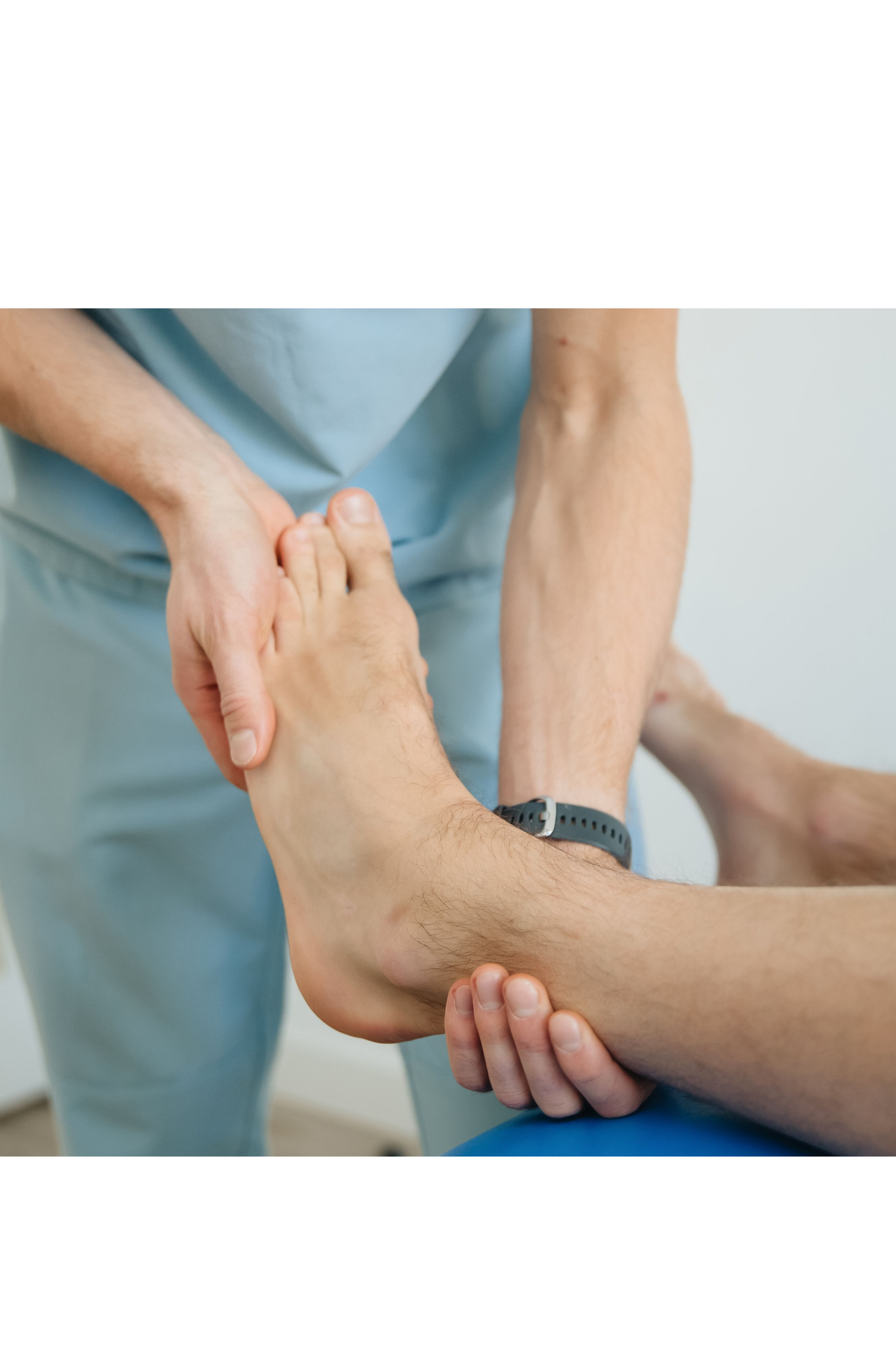
UNDERSTANDING YOUR SYMPTOMS
Your Foot and Ankle Are Designed to Handle Load
The foot and ankle absorb force, adapt to the ground, support balance, and help propel the body forward with every step.
Symptoms may develop when the demands of standing, walking, running, jumping, lifting, or sport exceed what the muscles, tendons, joints, and surrounding tissues can currently tolerate.
This may occur after an injury, a period of immobilization, a sudden increase in activity, a change in footwear or terrain, or gradually over time.
Our role is to determine what is limiting you and progressively rebuild the mobility, strength, balance, endurance, and impact tolerance needed for your goals.
HOW FOOT AND ANKLE PAIN MAY PRESENT
Symptoms and Conditions We Can Help With
Symptoms may begin after a traumatic injury, surgery, change in training, prolonged standing, or gradually without one clear event.
COMMON SYMPTOMS
- Heel pain with the first steps in the morning
- Pain along the Achilles tendon
- Pain or swelling after an ankle sprain
- Repeated ankle rolling or instability
- Pain with standing or walking
- Difficulty climbing stairs
- Pain with running, jumping, or landing
- Reduced ankle mobility
- Calf weakness or fatigue
- Difficulty returning to work, exercise, or sport
COMMON CONDITIONS
- Plantar heel pain and plantar fasciitis
- Achilles tendinopathy
- Lateral ankle sprains
- Chronic ankle instability
- Postoperative ankle rehabilitation
- Peroneal tendon-related pain
- Posterior tibial tendon-related pain
- Calf strains
- Foot or ankle arthritis
- Stress-related bone injuries after medical clearance
- Balance deficits following injury
- Persistent or recurring foot and ankle pain
Significant trauma, visible deformity, inability to bear weight, rapidly increasing swelling, an open wound, fever, calf swelling, or unexplained redness and warmth require appropriate medical evaluation.
PLANTAR HEEL PAIN
Heel Pain Is Often More Than a Tight Plantar Fascia
Plantar heel pain commonly causes discomfort near the bottom or inside of the heel, especially during the first few steps after rest.
Symptoms may be influenced by standing and walking volume, running load, calf and foot strength, ankle mobility, footwear, recovery, and how quickly activity has changed.
Stretching may help some patients, but stretching alone does not restore the strength and load tolerance needed for prolonged standing, walking, running, or jumping.
Short-term symptom relief can help, but the foot and calf still need to become more capable.
ACHILLES TENDINOPATHY
Tendons Need Progressive Loading—not Complete Rest
Achilles pain frequently develops when running, jumping, walking, or training demand increases faster than the tendon’s ability to adapt.
Reduce Excessive Load
Training volume or intensity may need temporary adjustment to settle highly reactive symptoms.
Begin Tolerable Loading
Isometric, isotonic, or other calf-loading exercises may be selected according to symptom irritability.
Build Calf Capacity
Resistance, range, speed, and volume are progressed to improve force production and endurance.
Restore Energy Storage
Running, hopping, jumping, and faster loading are introduced when required for the patient’s goals.
Rest may temporarily reduce pain, but the tendon must eventually be prepared for the forces it will encounter during walking, running, jumping, work, or sport.
ANKLE SPRAINS & INSTABILITY
An Ankle Sprain Is More Than Swelling and a Stretched Ligament
An ankle sprain may affect joint mobility, balance, strength, reaction time, confidence, and the ability to tolerate cutting, landing, uneven ground, or repeated activity.
Symptoms often improve enough for daily walking before the ankle is fully prepared for running or sport. Returning based only on pain can leave important deficits unaddressed.
Repeated ankle sprains are not always caused by a permanently “loose” ankle. Reduced balance, strength, coordination, and exposure to demanding movements may also contribute.
BUILDING LASTING CAPACITY
Why Foot and Ankle Pain Often Returns
Symptoms may improve before strength, balance, endurance, and impact tolerance have fully recovered.
Calf Strength Remains Limited
The calf may not regain enough force or endurance for prolonged walking, stairs, running, or jumping.
Balance Is Not Restored
Daily walking may feel normal even when single-leg control and reactive stability remain impaired.
Activity Increases Too Quickly
Rapid changes in mileage, hills, speed, court time, or standing volume can exceed current tolerance.
Rehabilitation Stops at Pain Relief
Reduced discomfort does not guarantee that force production and higher-level capacity have returned.
The final stage of rehabilitation should reflect the actual intensity, repetition, terrain, speed, and impact demands of your goals.
OUR APPROACH TO FOOT AND ANKLE PAIN
A One-on-One Assessment Built Around You
Your examination is selected according to your symptom location, injury, surgery, work requirements, training history, and goals.
Detailed History
We discuss how symptoms began, swelling, previous injuries, footwear, terrain, training changes, work demands, and goals.
Mobility and Movement
We assess ankle motion, foot mobility, walking, squatting, stairs, and the positions related to your symptoms.
Strength and Endurance
We evaluate the calf, foot, ankle, knee, and hip based on the demands of your daily activity or sport.
Functional Testing
Testing may include balance, heel raises, walking, running, hopping, jumping, landing, or change of direction.
Your plan is based on measurable limitations and activity demands—not simply on the location of pain.
INDIVIDUALIZED TREATMENT
How Oak City Physical Therapy Can Help
Treatment is selected according to your diagnosis, symptoms, healing considerations, current abilities, and functional goals.
Progressive Strengthening
Build calf, foot, ankle, hip, and lower-body capacity using measurable resistance.
Mobility and Range of Motion
Restore useful ankle and foot movement through active mobility, exercise, and hands-on care when appropriate.
Balance and Stability
Improve single-leg control, reaction time, and confidence on uneven ground or during sport.
Load Management
Adjust aggravating activity temporarily while progressively building the capacity needed to tolerate more.
Running and Impact Progression
Restore hopping, jumping, landing, running, and change-of-direction demands when relevant.
Manual Therapy
Hands-on care may be used when short-term pain or stiffness interferes with movement and exercise.
A PLANNED PROGRESSION
Foot and Ankle Rehabilitation Should Progress With You
Your starting point depends on the condition, but the program should advance as pain, mobility, strength, balance, and tolerance improve.
Settle Irritability
Modify excessive load and begin tolerable movement or muscle activation.
Restore Motion
Improve ankle range, walking, swelling, and confidence with daily activity.
Build Strength
Progress the calf, foot, ankle, and lower extremity using measurable resistance.
Improve Single-Leg Control
Advance balance, stairs, uneven surfaces, and unilateral loading.
Add Speed and Impact
Introduce hopping, jumping, running, landing, or direction changes when appropriate.
Return to Performance
Recreate the volume and intensity required for work, recreation, or sport.
YOUR FIRST APPOINTMENT
What to Expect at Your First Visit
Your first visit is a 45-minute, one-on-one evaluation with a Doctor of Physical Therapy.
We will listen to your history, assess the movements and activities related to your symptoms, explain our findings, and begin developing a clear plan forward.
When appropriate, treatment may begin during the first visit. You will also receive guidance about activity, exercise, symptom response, and what to do between appointments.
You will leave understanding:
FREQUENTLY ASKED QUESTIONS
Foot and Ankle Pain FAQs
Should I rest completely when my Achilles tendon hurts?
Complete rest is rarely the long-term solution for routine tendinopathy. Activity may need to be modified temporarily, but progressive tendon loading is generally necessary to rebuild capacity.
Do I need to stretch if I have plantar heel pain?
Plantar fascia and calf stretching may help some patients, but treatment often also includes strengthening, load management, and gradual return to standing, walking, or running demands.
Is a heel spur causing my pain?
Heel spurs are common and may be present without symptoms. The finding should be interpreted alongside your history, examination, tenderness, strength, mobility, and activity tolerance.
Should I wear supportive shoes or orthotics?
Footwear changes or inserts may temporarily reduce symptoms for some patients. They are tools rather than universal requirements and are usually most useful when combined with progressive rehabilitation.
Why does my ankle keep rolling?
Recurrent sprains may involve strength, balance, coordination, confidence, ligament injury, and insufficient preparation for demanding movements. Rehabilitation should address more than swelling and range of motion.
Can I run with Achilles or heel pain?
In some cases, running can continue with adjustments to speed, distance, frequency, hills, or total training load. The appropriate decision depends on symptom irritability and next-day response.
Do I need an X-ray or MRI before beginning therapy?
Many patients can begin with a clinical evaluation. Imaging may be appropriate after significant trauma, suspected fracture or stress injury, marked swelling, surgical planning, or lack of expected progress.
How long does Achilles tendinopathy take to improve?
Tendons usually require a consistent loading program over time. Recovery depends on symptom duration, irritability, strength deficits, activity demands, and consistency with rehabilitation.
When can I return to sport after an ankle sprain?
Return should consider pain, swelling, range of motion, strength, balance, hopping, landing, cutting, confidence, and the specific demands of the sport—not time alone.
Is manual therapy required?
No. Manual therapy may temporarily improve pain or mobility for selected patients, but long-term recovery generally depends on active exercise and progressive loading.