
PERSISTENT & CHRONIC PAIN MANAGEMENT
Chronic Pain Physical Therapy in Raleigh
Persistent pain can make movement feel unpredictable and leave you unsure about what is safe. At Oak City Physical Therapy, we provide one-on-one care focused on helping you understand your symptoms, rebuild physical capacity, and return to meaningful activity with greater confidence.
UNDERSTANDING PERSISTENT PAIN
Pain Can Persist After Tissues Have Healed
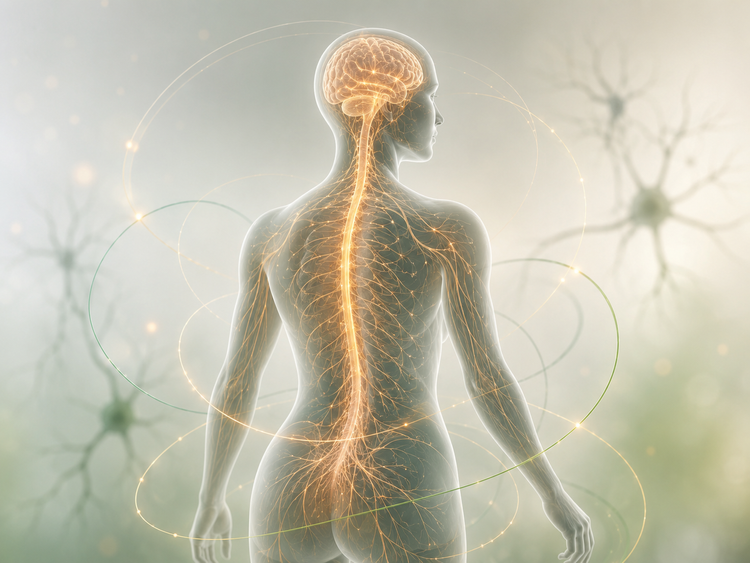
Pain is a protective response produced by the nervous system. In the early stages of an injury, that response can help protect sensitive or healing tissue.
In some cases, the nervous system remains highly protective even after the original injury has healed or stabilized. Movements, positions, or activities may continue to trigger pain despite little evidence of ongoing tissue damage.
This does not mean the pain is imagined. It means the system responsible for protecting you may have become more sensitive and responsive than necessary.
Rehabilitation focuses on reducing unnecessary protection while rebuilding strength, movement tolerance, and confidence.
HOW PERSISTENT PAIN MAY PRESENT
Symptoms and Conditions We Can Help With
Persistent pain may follow an injury, surgery, recurring flare-ups, prolonged inactivity, or develop gradually without one clear cause.
COMMON EXPERIENCES
- Pain lasting longer than expected
- Symptoms that move or change location
- Pain with light or routine activity
- Repeated flare-ups after small increases in activity
- Fear of movement or reinjury
- Reduced confidence using the painful area
- Fatigue after normal daily tasks
- Difficulty sleeping comfortably
- Symptoms influenced by stress or poor recovery
- Feeling that the body is fragile or easily damaged
COMMON PRESENTATIONS
- Persistent low-back pain
- Persistent neck pain
- Chronic shoulder, hip, or knee pain
- Recurring headache with musculoskeletal contributors
- Persistent pain following injury or surgery
- Central sensitization features
- Fear-avoidant movement behavior
- Deconditioning related to long-term pain
- Multiple painful areas
- Difficulty returning to exercise or work
New neurological symptoms, unexplained weight loss, fever, significant trauma, rapidly worsening weakness, bowel or bladder changes, or other concerning medical findings require appropriate medical evaluation.
NERVOUS-SYSTEM SENSITIVITY
A Protective System Can Become Overprotective
The nervous system continuously evaluates information from the body, the environment, previous experiences, expectations, sleep, stress, and many other factors.
When the system becomes sensitized, normal movement or load may be interpreted as more threatening than it actually is. This can increase pain, guarding, fatigue, and avoidance.
Sensitivity does not mean weakness of character, anxiety causing all symptoms, or pain being “in your head.” It describes a biological change in how strongly the nervous system responds.
An overprotective system can become less protective. Controlled movement and loading provide new evidence that activity can be safe.
THE PAIN–AVOIDANCE CYCLE
Avoidance Can Reduce Capacity and Increase Sensitivity
Avoiding painful activity is understandable. However, prolonged avoidance may reduce strength, endurance, confidence, and tolerance for normal movement.
Pain Creates Concern
Movement may begin to feel unsafe, unpredictable, or damaging.
Activity Is Reduced
Exercise, lifting, work tasks, and daily movement may be avoided.
Capacity Declines
Strength, endurance, mobility, and confidence may gradually decrease.
Normal Activity Feels Harder
Lower capacity makes everyday demands more likely to trigger symptoms.
The solution is not to force through severe pain. It is to gradually rebuild exposure and capacity at a level the system can tolerate.
UNDERSTANDING FLARE-UPS
A Flare-Up Does Not Automatically Mean You Have Reinjured Yourself
Persistent pain often fluctuates. Symptoms may increase after changes in activity, sleep, stress, travel, illness, or recovery.
A flare-up can feel alarming, especially when pain resembles an earlier injury. However, increased symptoms do not always mean new tissue damage has occurred.
Learning how to respond can reduce fear and prevent the cycle of complete rest followed by trying to do too much too quickly.
OUR CLINICAL APPROACH
A One-on-One Assessment Focused on the Whole Picture
Persistent pain cannot be understood from imaging or pain intensity alone. We evaluate the combination of physical capacity, symptom behavior, movement confidence, health factors, and functional goals.
Detailed History
We discuss symptom history, previous injuries, treatment experiences, flare-ups, sleep, stress, beliefs, and goals.
Movement and Function
We assess the positions, movements, and activities that feel limited, threatening, or unpredictable.
Strength and Endurance
We identify measurable capacity limitations that may be contributing to fatigue, guarding, or reduced activity tolerance.
Symptom Response
We monitor how symptoms respond during activity, afterward, and over the following day to guide exercise dosage.
Your treatment plan is based on what you can safely build—not on labeling your body as damaged or fragile.
INDIVIDUALIZED TREATMENT
How Oak City Physical Therapy Can Help
Treatment is adjusted to your current capacity, symptom response, medical history, activity limitations, and goals.
Pain Education
Build a clearer understanding of pain, sensitivity, flare-ups, and what symptoms do—and do not—mean.
Graded Exposure
Reintroduce feared or painful movements in controlled, progressive steps.
Progressive Strength Training
Restore measurable strength and load tolerance using exercise matched to your current ability.
Activity Pacing
Balance activity and recovery without becoming trapped in repeated cycles of overactivity and complete rest.
Movement Confidence
Practice bending, lifting, reaching, walking, exercise, or other tasks that have become difficult or intimidating.
Return to Meaningful Activity
Progress toward work, exercise, caregiving, recreation, travel, or sport based on your priorities.
A GRADUAL PROGRESSION
Recovery Is Built Through Consistent, Tolerable Progress
The exact path varies, but rehabilitation should gradually expand what you can do rather than repeatedly chasing short-term symptom relief.
Build Understanding
Learn how pain, sensitivity, movement, activity, stress, and recovery may interact.
Establish a Baseline
Identify a repeatable level of movement and exercise that is challenging but manageable.
Restore Consistency
Build regular activity without large swings between doing too much and complete rest.
Increase Capacity
Progress strength, endurance, range, and task tolerance over time.
Reintroduce Meaningful Tasks
Practice activities that have been avoided, limited, or associated with fear.
Build Independence
Develop a plan for exercise, flare-ups, and long-term self-management.
MEASURING IMPROVEMENT
Progress Is More Than a Pain Score
Pain reduction is valuable, but pain may fluctuate during recovery. Measuring only symptom intensity can hide meaningful improvements in strength, confidence, activity, and recovery.
We track changes that reflect whether your system is becoming more capable and less protective.
Progress does not require every activity to be pain-free. It may mean doing more with less fear, recovering more quickly, or tolerating a higher level of activity without a major flare-up.
YOUR FIRST APPOINTMENT
What to Expect at Your First Visit
Your first visit is a 45-minute, one-on-one evaluation with a Doctor of Physical Therapy.
We will review your symptom history, previous treatment, medical background, flare-up patterns, activity limitations, concerns about movement, and the goals that matter most to you.
The physical examination is adapted to your current tolerance. You will not be forced through severe pain to prove that something hurts.
You will leave understanding:
FREQUENTLY ASKED QUESTIONS
Persistent and Chronic Pain FAQs
Does chronic pain mean something is still damaged?
Not necessarily. Tissue changes may contribute, but pain can persist because the nervous system remains sensitive or protective after tissues have healed or stabilized.
Are you saying the pain is psychological?
No. Pain is a real biological experience produced by the nervous system. Thoughts, emotions, sleep, stress, movement, tissue health, and previous experiences can influence pain without making it imaginary.
Should I exercise when I am in pain?
Often, yes, but the type and dose matter. Exercise should begin at a manageable level and progress according to symptoms, recovery, and functional response.
Do I need to be completely pain-free before doing more?
Not always. Waiting for all symptoms to disappear before moving may lead to prolonged avoidance and reduced capacity. Activity can often be progressed while symptoms are monitored.
What is graded exposure?
Graded exposure is the structured reintroduction of movements or activities that have become painful, feared, or avoided. The challenge begins at a tolerable level and increases over time.
What should I do during a flare-up?
A temporary reduction in activity may help, but complete rest is rarely necessary. Continue manageable movement, use your flare-up plan, and gradually return to the previous activity level.
Can manual therapy or dry needling help chronic pain?
These treatments may provide short-term relief for selected patients, but they do not replace progressive movement, strength development, education, and graded exposure.
Can chronic pain actually improve?
Yes. Pain may not change in a straight line, but many people improve activity tolerance, strength, confidence, function, and quality of life through a structured rehabilitation approach.
How long does chronic-pain rehabilitation take?
The timeline depends on symptom duration, current capacity, health factors, activity goals, previous treatment experiences, and consistency with the rehabilitation plan.
Do I need a referral to begin physical therapy?
North Carolina allows direct access to physical therapy, although some insurance plans or medical circumstances may require a referral or additional medical evaluation.